Tuesday, March 31, 2015

Sampling Soil at Lincoln Elementary

Amanda Crawley


Recently, we traveled to Lincoln Elementary School to work with students on a garden project at their school. Our goal was to educate them on the important properties of the soil which help things grow and the difference between garden soil and urban soil. Going into the classroom, we found they were surprisingly intrigued of the prospect of growing their own food. Sampling the soil specifically excited the kids at the possibility of seeing a worm.

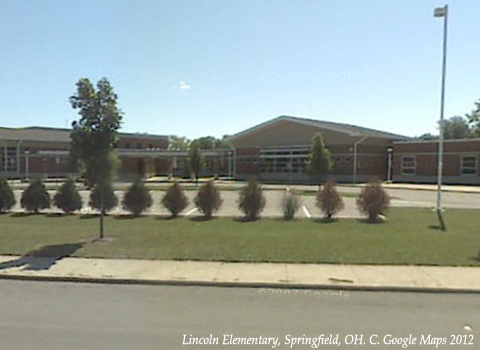
A photo of Lincoln Elementary


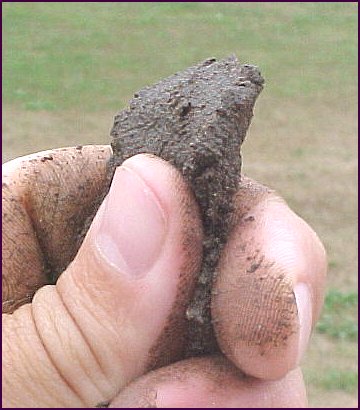
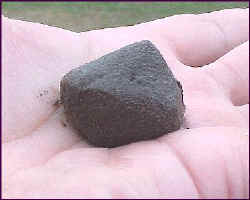
Students were able to make the connections between the texture and color of the soils and how the correlate to the ability to grow plants. The kids knew without much direction that the soil from the garden was much better suited for growing things. The soil that is ideal for gardening is soil that is composed of the smaller clay particles (which aids in the retention of nutrients essential for growth) and and darker in color (which indicates a higher percentage of organic matter).

SoilBall.jpg (32757 bytes)
Pictures showing the test to determine the texture of soil by touch

Going into this project of working with kids was a pretty scary prospect for me, but our interactions were actually an overall good experience. It was a great feeling knowing that we were helping to educate these kids on the importance of soil health and the process of growing plants.
http://www.ctahr.hawaii.edu/mauisoil/a_factor_ts.aspx
http://www.nrri.umn.edu/worms/research/methods_soils.html

Soil Sampling at Lincoln Elementary


    Soil Sampling at Lincoln Elementary

During our visit on Friday, March 27th, we were able to collaborate and share ideas with the students participating in the after-school program at Lincoln Elementary. Having the opportunity to work with these kids and get them excited about something that the world needs to know about; it gives you a great feeling. Having the opportunity to see them a second time-and them remembering your name and being excited to see you? That's the true joy of this experience. 

Source: Google Images
Lincoln Elementary School
Source: Google Images
Before we were joined by the students, however, we took soil samples from the lawn of the school as well as the intended plot for gardening.

Having a laugh while taking samples from the garden


You can clearly see from these images that there is a difference in both the composition as well as the color of the two soils being sampled. The soil from the garden is also primarily rid of unwanted plant life while the soil of the lawn is filled with grasses, weeds and various debris.


     Once we were able to speak with the kids we discussed the coloration of soil, and had them. One student in particular was extremely enthused with the presence of a worm in the soil sample we took. Discussing the importance of these creatures led to the conversation of which soil they thought would be best. Without a question the soil from the Garden won. These kids knew-without any scientific reasoning- that the darker more "together" soil was better for growing vegetables.


Source: Google Images
Worms got the kids excited about sampling soil!
With the students we explored soil color and texture and how it related to soil health. In explanation we discussed the importance of nutrients in the soil (soil organic matter) as well as the texture and how that could affect plant growth (runoff, erosion, flooding, etc). We used the analogy of a plant in sand as opposed to soil to establish the importance of soil composition or texture. The kids understood that sand was bad for growth because it can't hold water and does not have nutrients in it.

I would say that overall this was a great experience for everyone involved. The students from Lincoln gave us great energy, and I can't wait to see them again! It will be really great to expand this effort and give back to the community through the planting and management of a community garden. Not only will it provide fresh vegetables in a food desert, it will also teach the kids: the importance of soil quality, the impact the environment has on food, the care it takes to grow food, the joy of a job well done!

Hannah Kirk
Maggie Peale
Grant Blanton
Scott Sholar


Sources

http://www.nrcs.usda.gov/wps/portal/nrcs/detail/soils/edu/?cid=nrcs142p2_054286

http://www.organicriskmanagement.umn.edu/soil_health3.html

http://www.ecochem.com/t_soil_aeration.html


Friday, February 20, 2015

Vacant Lot Use: Gap Filler


February 17, 2015
Hannah Kirk, Maggie Peale, Grant Blanton
“Gap Filler aims to temporarily activate vacant sites within Christchurch with creative projects to make for more interesting dynamic and vibrant city.”

As we began our search for successful ways to reconstruct vacant lots, we came across an organization called Gap Filler and the work they have done within Christchurch, New Zealand. The strategy of this organization was to build community awareness and overall attitude towards the vacant lots by turning them into temporary dance floors. In order to make this happen, Gap Filler selects certain vacant lots throughout the community and lay down temporary dance floors for the public to utilize. In order to work the dance floors you have to insert a coin into the available machines and then it allows you to plug in whatever music people prefer. This not only draws attention to the vacant lots, but allows for public performances and positive energy amongst the people. The dance floors not only serve to rebuild the community but also give a kick start to the lots by drawing attention to it. This allows people to want to be involved by contributing to more and ultimately paving the way to revitalization without payment. By being temporary, the dance floors do not cause long term damage and erosion to the soil or land itself. The money raised by the dance floor can be donated to the city, or used by the company themselves, to clean up the vacant lots and replace it with a variety of more permanent structures such as playgrounds and gardens.

By creating these temporary dance floors the vacant lots changed the atmosphere in the community as well as the motivation, which these organizations said is the first step to success is renewing vacant lots. The goal of this strategy was strictly to unite the community and bring awareness to the land and show all of the potential it has by ringing life and energy to the land.


.


The two figures above show the differences between the runoff levels of hard surfaces and fresh land. There is 45% more runoff in the city, where there are hard surfaces. In relation to the temporary dance floors in New Zealand, it is better to create a temporary solution instead of a permanent hard surface because it conserves rain water and produces less runoff.


When it comes to costs and the coordination of this program, it is generally less expensive than other activities because the main purchase is the dance floor which is completely made from recycled material. Gap Filler also receives grants as well as financial support from local community organizations such as art councils and is operated mainly by a volunteer based staff. By using the volunteer force you can gather people who are directly interested in the use of the lots and improvement of the community. One option could always be to make an abroad option for Wittenberg students to travel to areas such as New Zealand and participate in such activities. Another option could be for Wittenberg students to team up with local Springfield Elementary schools and work something like this up in our own community to host an event and bring awareness to the vacant lot. This gives us the opportunity to raise money from the coins collected from participants and then be able to move forward to preserve the soil in the lot or build upon it with things such as community gardens or playgrounds.


Below, the two figures relate to our topic by showing other lots and locations of the dance floors and also the large numbers of the land that has the potential to be used.
http://www.smartgrowthamerica.org/documents/true-costs.pdf


http://www.gapfiller.org.nz/gap-map
Turning Vacant Lots into Rooftop Gardens-- Savannah, Ryan, and Michaela


In recent years, Chicago has started designing and implementing rooftop gardening.  Not only are rooftop gardens aesthetically pleasing; but they save energy, keep buildings cooler, and can help preserve the life of the roof.  Rooftop gardening replaces the dark tar roofing, which lowers temperatures and reduces air pollution. 


Essential Layers of a Rooftop Garden
  • Plants
  • Growing Media
  • Filter Mat
  • Drainage layer
  • Insulation
  • Root barrier
  • Waterproof membrane
  • Roof deck


Instead of the plants merely sitting on top of the roof, some gardens become the roof. These “green roof systems” provide drainage and nutrients, and can be intensive or extensive. The extensive gardens are lightweight and low maintenance, while the intensive gardens closely resemble ones seen on the ground. Planning and preparation for a rooftop garden is an extensive process that needs to be carefully done, and there are several factors to consider, such as: the condition of the roof and how much it can hold, how you are going to access the garden, how much the garden will weigh, how much the garden will cost, how to irrigate your garden, how to be sure water is properly drained, and how it will be designed. 


Estimated costs of installing a green roof start at $10 per square foot for simpler extensive roofing, and $25 per square foot for intensive roofs. Annual maintenance costs for either type of roof may range from $0.75–$1.50 per square foot. Depending on the size of the garden, the amount of people needed to build the rooftop garden varies as well as the time commitment. You should be able to dedicate at least 1 hour a day to the rooftop garden to ensure it has enough water and to prune the plants. While the initial costs of green roofs are higher than those of conventional materials, building owners can help offset the difference through reduced energy and stormwater management costs, and potentially have a longer lifespan of green roofs compared with conventional roofing materials.


Green-roofs are rapidly becoming popular and Chicago already has 359 rooftop gardens established. The Urban Heat Island Effect is the temperature between a city and the area around it because of the asphalt and dark surfaces that emit heat, and the rooftop gardens help battle this effect. They lower the temperatures by replacing dark roofs and they add more oxygen to the atmosphere.


Stacey Kimmons and Audra Lewicki harvest lettuce at the Chicago Botanic Garden's 20,000-square-foot vegetable garden atop McCormick Place West in Chicago.


                                                       Rooftop gardens in Milwaukee


Wittenberg students and the students from the community can turn abandoned buildings into something useful and beautiful. Some abandoned buildings cannot be torn down easily because of cost, time, and the labor involved. Instead of choosing a an empty lot, we could use the building on the lot as a storage place for the garden materials, turn it into an indoor garden, or find a way to  make it functional for the community. We could use everything on the lot by making use of the storage the building provides, as well as making a rooftop garden. This project could have several parts for the students to be involved in. Along with the garden, the students could help paint the building and make it a fun, safe place for them to go.